Comic conventions are more than just gatherings of fans; they are vibrant celebrations of creativity, passion, and community. A large facet of convention programming, these panels can make or break the attendance of a convention. Hosting a panel can be rewarding, as well as a very lucrative opportunity to show potential prospects your products.

Creating your outline:
Ok, so you have made the decision you want to attend a panel. Awesome! Welcome to the party, we have meetings on Tuesday (no, seriously; we have a discord channel where we get together to brainstorm panel ideas every Tuesday). You have the first step taken care of. Look at you; you’re already taken one step towards being a successful panelist.
To start, you need to have an idea of what you want to talk about. No, you don’t need to write everything out, and have your presentation ready to go. You need to have an engaging topic (with a short outline) that will interest event organizers and engage your audience (so they come to other panels you put on and sell your products). This can be as simple as talking about what you do, a product you offer, or even a problem in the convention community that you have a solution for.
Once you have your idea, you need an Outline. Write out the major ideas of the panel, then tie them all together using bullet points. Have a description that events can use for social media/programs/apps – think elevator pitch for your panel. Add your logo to the top, and boom; you have a panel outline you can use to market to events. See the example below (So you want to be a Cosplay Photographer Outline – See attached).
Once you have your outline written up, you need to ask a few questions – Does your panel require visuals? Do you have specific props or products you will require? Is it interactive? You need to have all these questions answered, and in the panel. Expect organizers to have any audio/visual equipment you need (projectors, microphones/speakers) – if you require them, put a section under your outline so that the event can have them ready for you come go-time.
Random Note: Sponsorship
Products and supplies can be expensive. Events almost never supply anything other than audio/visual. As the overall goal here is to not go bankrupt when you put on your panel, you may want to be careful with overpromising any supplies for your panel. Another option is to work with a company or business that either manufactures or sells the products you require for your panel. Reach out to local vendors (or the manufactures) , and see if they would be willing to offer products for your panel in exchange for a shout-out or marketing assistance. You would be surprised how easy this can be. At the same time, don’t get discouraged if they say no initially; create your own opportunities, and go back to them once you have a media kit and a stronger following.
Creating the opportunity to host a panel
Now that you have an outline, you need to get it in front of Event Organizers. Networking is key on this part. Are you already involved in the convention community? If not, you need to put your networking cap on because this step requires you to either be directly involved, or at least know someone who is. The more involved, the better.
Note: Do you have a media kit? I would highly suggest making one at this stage. A media kit creates the ability for you to showcase to decision makers your offerings. Remember: You are the product, your offerings are the suggested sale. Check out how to make a media kit in This Blog.
Utilizing your media kit, and your panel outline, get in front of event organizers. Yes, they are busy putting their events together, and at times they will not have time to discuss your panel idea with you. Don’t get discouraged, keep on showing off your skills and you will get an opportunity. Take constructive criticism; event organizers have been in the game for some time, and they should know what works, and what doesn’t. You can always regroup and rewrite; your outline should be organic enough to change on the fly. Organizers are always looking for new programming that fits their event; Panelists have a draw and will bring people to their show.
A lot of events have a panel submission form, or an application. Yes, you need to fill this out as best as you can. At the same time, make sure you still get in front of the event organizer, or their panel/programming team. Having a name, face, and media kit is a huge leg up on others that just apply. This will give you a much better shot at being approved.
Scheduling:
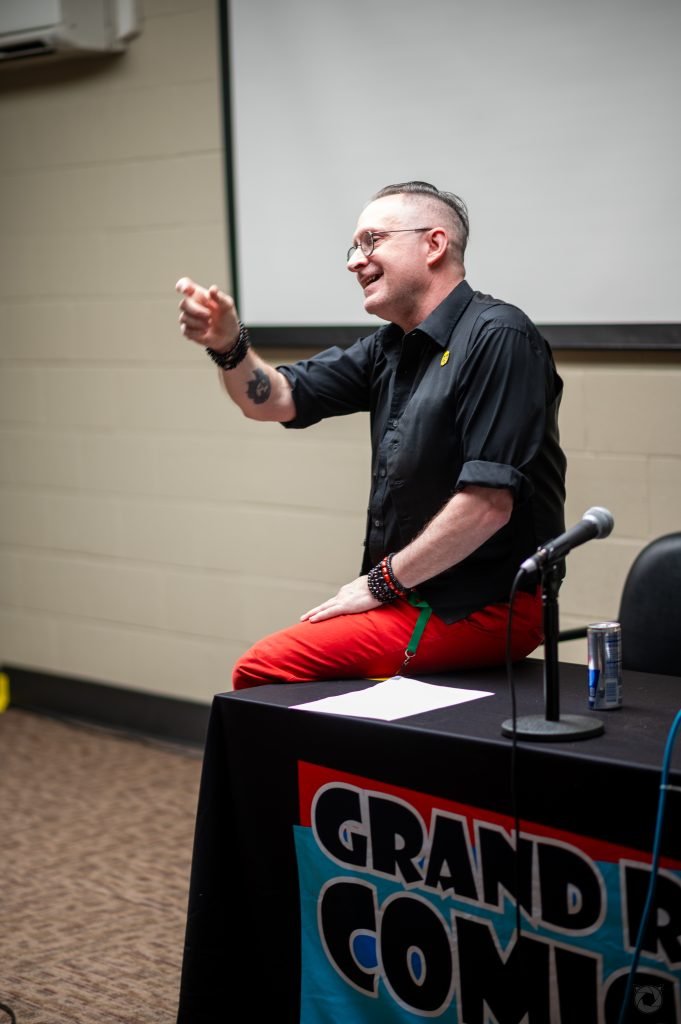
After countless attempts at pitching your panel (Or maybe you got lucky – the first organizer jumps on your idea) you have an organizer interested. Once you have an organizer interested enough to approve your panel, you need to inquire about scheduling. Nobody wants to host a panel when the guest of honor or keynote speaker is having one too (or when an major part of the event such as the cosplay contest is occurring). Try to get a panel during prime times that is not overlapping with other major programming; late morning/early afternoon is best on a Saturday. Evenings, and anytime after noon on a Sunday are the least ideal times. Don’t get me wrong, take whatever you can get, and use it for practice. Just don’t get discouraged if you only have five people show up because your panel was scheduled at 8pm on a Friday.
Filling in the blanks: putting the panel together.
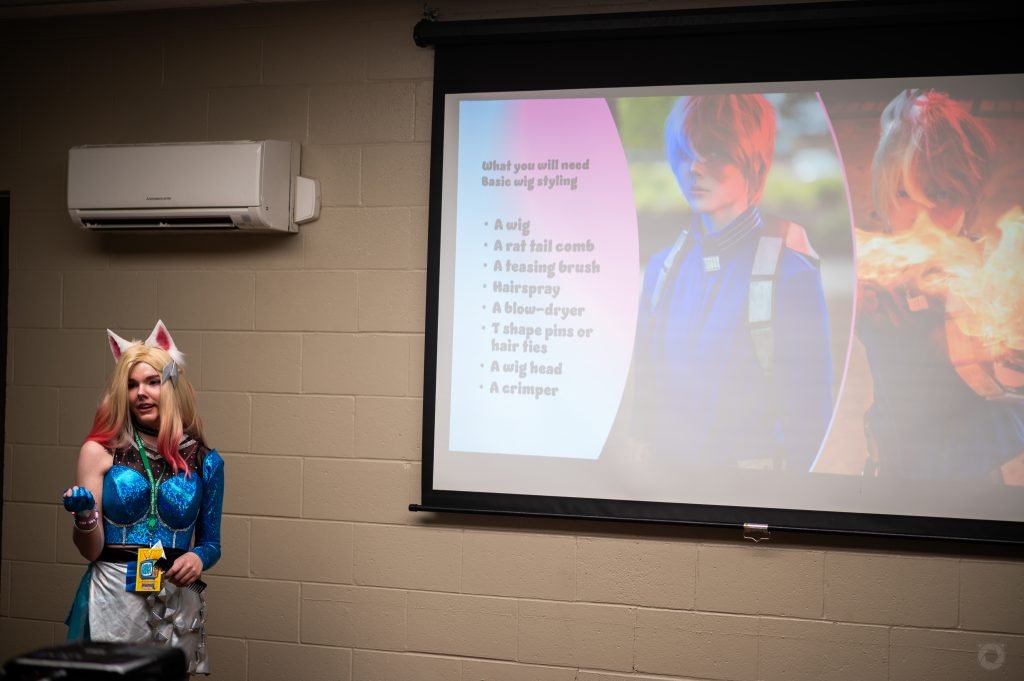
Now that you have a panel scheduled, it is time to fill in the blanks. Take your outline, and start to write in what you want to talk about. Keep it short bullet points; nobody wants to watch someone reading off of a piece of paper or a PowerPoint when they are hosting a panel. Use visuals that will engage your audience and try to put in moments where you can get the audience to interact with what you are presenting. Bringing someone up on the stage (that is not scripted) can be a huge help, but is not necessary.
The final Countdown:
A few weeks before the event, you should have everything together and ready to go. Use your social media pages to create hype for your panel. Utilize the social media of the event you are attending and any fan pages that are associated with it. Create a call to action by offering small greeblies (such as an eBook, a discount on products you offer, or an exclusive Q and A) for attendance with a special code. This can augment your potential audience, and have your biggest fans attend. The larger the audience, the more potential for future panels.
Practice your panel at least three times per week before the show. This will help you smooth out anything you missed, or where you may trip on the big day. You can do this in front of a mirror, some friends, or a toastmaster’s group (Random plug – Discord channel). You want your panel to go as smoothly as possible, so make sure you have everything you need when you practice. Personally, I go through my PowerPoint once a day for two weeks before I put on a panel to make sure that everything is flawless before the big day.
The big day
On the day of your panel, work with the event programming staff to make sure everything is good to go in the panel room at least an hour before your panel. Equipment tends to fail at the worst opportunity, so make sure you have a backup of any software you need, and all the products or props you are using are 100% ready to go. Make sure you go to the bathroom and have water available during the panel. Such things may seem silly, but you want to have as little obstacles to the flow of your panel as possible.
Congrats! You have just put on your first successful panel. Now comes the fun part; debriefing. Once you have a free moment (a day or two after the event is ideal) spend some time going through the panel. Bonus points if you have a recording, but it’s not necessary. Take notes with what worked, and what didn’t. Improve upon both. Make sure your panel is organic, change up little things every time you put it on so attendees come back to see it again. Take any leads you may have obtained, and prepare for any follow-up. Speak with convention staff, and see if they have any criticism, or anything they believe should be added/subtracted. Make sure you show them your appreciation for the opportunity, and let them know you would like to be considered for the next event as soon as you can.
Panels are one of the most fun ways to market and train your customer base, and can create new leads for you across many platforms. No matter what happens, keep at it and enjoy the dividends that come from your success.
Do you want to put on a panel, but don’t know where to start? Are you a convention show runner looking for some help getting panels set up? Reach out for a consultation, we can help!
 English